Ask a local when to visit Madeira and a surprising number will say autumn, not summer. September through November trades a little peak-season heat for the warmest sea of the year and noticeably thinner crowds. Here's what the season actually looks like, month by month.
Is Madeira warm in autumn?
Yes. Funchal's daytime highs run around 25°C in September, easing to roughly 23°C in October and 20°C in November, with nights rarely dropping below 15°C even late in the season. Because Madeira sits in the mid-Atlantic off North Africa, its "autumn" looks more like a gentle late-summer taper than a real seasonal drop — shorts and a swimsuit still make sense on most days, with a light layer for the evenings.
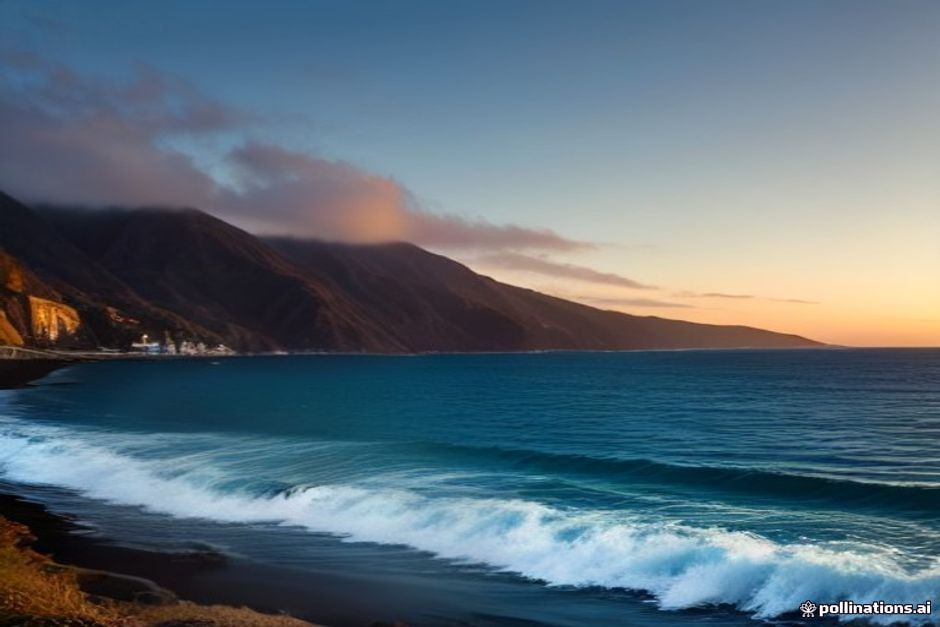
Is the sea warm enough to swim in Madeira in autumn?
It's warmer than in summer, not colder. The Atlantic around Madeira takes all season to heat up, so it actually peaks in September at around 24°C — arguably the single best month of the year to swim on the island. It holds near 23°C through October before easing toward winter levels of around 18–19°C by late November. That long warm tail is exactly why our Day Trip keeps its swim stops at Fajã dos Padres and Ribeira Brava fully in play right through autumn, without the "brisk" caveat we'd give a January booking.
Does it rain a lot in Madeira in autumn?
Not in September or October — both months stay largely dry and sunny on the south coast, an extension of the summer pattern rather than a break from it. The shift starts in November, as the first Atlantic fronts of Madeira's wetter season begin moving through; even then, showers tend to be short rather than the grey, all-day rain of deep winter. As always on the island, the south coast around Funchal and Câmara de Lobos stays drier and sunnier than the north coast (Santana, São Vicente, Porto Moniz), so plan north-coast excursions for the clearer-looking days.
What's on in Madeira in autumn?
Early autumn is harvest season. Late September brings the grape harvest and wine festivities around Câmara de Lobos and Estreito de Câmara de Lobos, with treading, tastings and music tied to the island's Madeira wine tradition. October adds a week-long outdoor festival spread across multiple municipalities — guided hikes, canyoning, mountain biking and trail running through the shoulder-season calm, alongside the usual run of local saints' festas and village markets that continue through the season. None of it requires advance planning to simply enjoy from the coast; it's more a bonus layered on top of a trip built around the water and the mountains.
What should you pack for an autumn trip to Madeira?
Summer clothes plus one warm layer. A swimsuit and light clothing cover most days through October, but pack a packable rain jacket for November and a warmer top for evenings and anywhere in the mountains — Pico do Arieiro and Pico Ruivo cool off well ahead of the coast as the season turns. Grippy shoes matter if you're walking levadas after any rain, since the paths get slick fast.
Is autumn the best time to visit Madeira?
For a lot of travellers, yes — September especially. It combines the warmest sea of the year with crowds that have already thinned from the July–August peak, so viewpoints, restaurants and boat slots are easier to get without waiting weeks. October keeps most of that appeal with slightly cooler air and better hiking weather. November is the trade-off month: still mild and still swimmable early on, but the rain risk climbs and it starts to feel more like a transition into winter than a season of its own. If your trip is built around time on the water, September and October are genuinely hard to beat — better sea temperatures than winter, better availability than August, and full daylight for an afternoon boat trip along the coast.
Summer gets the crowds. Autumn quietly gets the best water of the year.
Whichever week you land, check the forecast a day or two out rather than trusting a seasonal average — Madeira's microclimates mean the difference between a grey morning and a golden one can come down to which coast you're on.