Order seafood at almost any tasca on Madeira's south coast and lapas will be on the menu, usually as a starter before the espetada arrives. Here's what they actually are, why the fishery is more regulated than it used to be, and where to find a plate worth ordering.
What are lapas?
Lapas are limpets — small, cone-shelled molluscs that grip Madeira's volcanic rocks in the splash zone between high and low tide. They're gathered by hand, usually prised off the rock with a knife, and served whole in the shell rather than shucked and plated. On the island they're treated less as a delicacy than as an everyday seafood starter, the kind of thing ordered without a second thought alongside a beer or a glass of white wine while waiting for the main course.
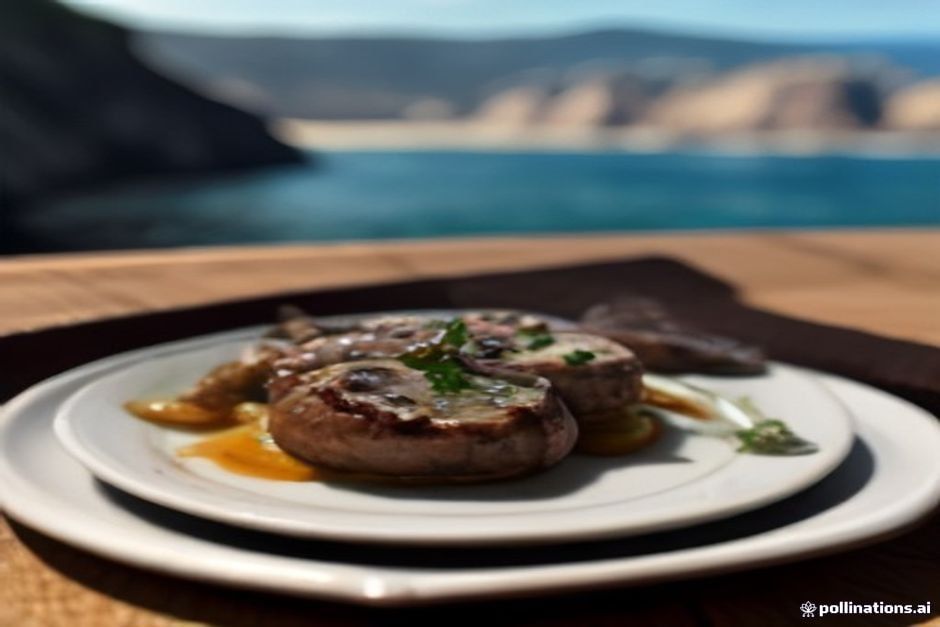
How are lapas cooked in Madeira?
They're grilled, still in the shell, over high heat for only a couple of minutes — just long enough for the flesh to firm up without turning rubbery. The classic finish is melted butter, crushed garlic, fresh coriander and a squeeze of lemon, poured straight into the shell so it doubles as the serving dish. Some kitchens swap coriander for parsley or add a splash of white wine to the butter, but garlic, lemon and high heat are non-negotiable across almost every version on the island.
What do lapas taste like?
Briny and slightly chewy, closer to a firm clam than an oyster, with a mild sweetness that the garlic butter is built to complement rather than mask. The texture is the part that surprises first-timers most — a good plate has some bite to it, not the melt-in-the-mouth softness of other shellfish, and overcooking is really the only way to ruin them. Eaten straight from the shell with bread to mop up the butter, they're a simple dish rather than a refined one, and that's most of the appeal.
Why is limpet harvesting regulated in Madeira?
Because decades of heavy hand-harvesting thinned limpet populations along the island's accessible rocky shore. Regional rules now set minimum shell sizes, restrict the zones and seasons where limpets can be collected, and cap how many can be taken for personal use, in an effort to let stocks recover along stretches of coast that were once picked over faster than they could replenish. It's part of why restaurant-served lapas today tend to have a visible, legal size to them rather than the tiny, immature ones some older visitors remember from decades past.
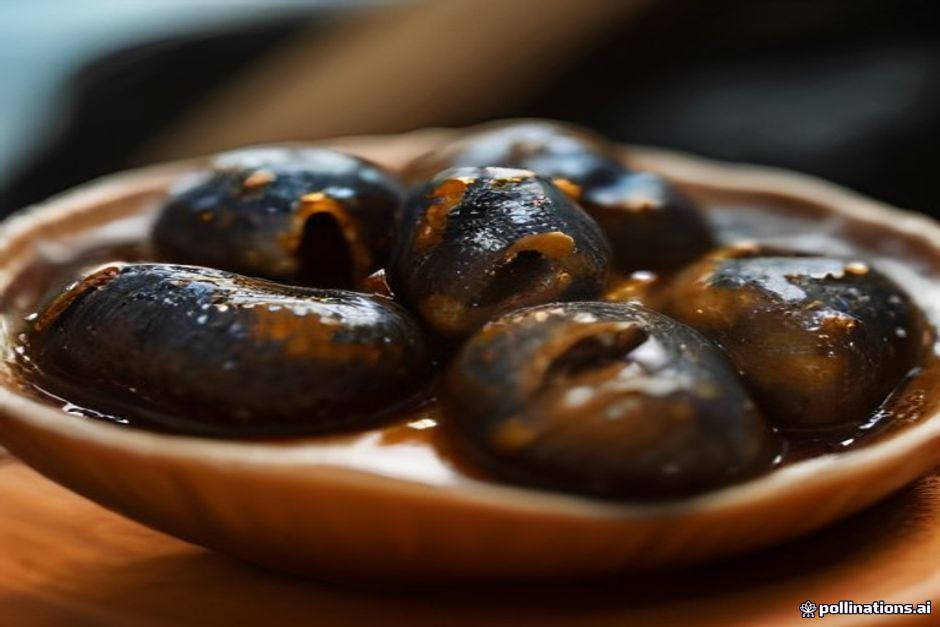
Where can you eat lapas in Madeira?
Seafood tascas along the south coast serve them as a matter of course, and Câmara de Lobos — the fishing village that's the first stop on Chifbay's Day Trip — is particularly well known for it, alongside the harbourside grills near Funchal's Doca do Cavacas. Look for a restaurant that's visibly working through fresh trays rather than a menu photo, since lapas are at their best cooked to order and eaten within minutes of coming off the grill.
What should you drink with lapas?
A crisp, cold white wine is the standard match, cutting through the garlic butter without competing with the brininess of the shellfish. A chilled glass of dry Madeira wine, a Sercial, does the same job with more character, and poncha holds up fine too if that's already what's in hand. None of it is a strict rule — lapas are bar food as much as they're a restaurant starter, so whatever's cold and already on the table usually works.
Grilled two minutes, eaten in thirty seconds — that's the whole point of lapas.
They won't make it onto many "top Madeira dishes" lists written for visitors, but ask anyone who lives on the coast here and lapas are simply what you order first. If a tasca has them fresh, they're worth it.