Madeira consistently ranks among the safest places in Europe to visit — but "safe" doesn't mean risk-free. The real hazards here aren't crime, they're mountain roads, wet trails and the open Atlantic. Here's what actually matters before you go.
Is Madeira safe to visit?
Yes — Madeira is one of the safest islands in Europe to visit, and Portugal is consistently ranked among the world's top 10 safest countries by the Global Peace Index. Violent crime against tourists is rare, the island has a visible, tourist-friendly police presence around Funchal and the main resorts, and most visits pass without any safety incident at all. The risks that actually matter here have almost nothing to do with people — they come from underestimating the terrain, the weather or the sea, which is where the rest of this guide is focused.
Is Madeira safe for solo travellers and women travelling alone?
Yes. Madeira is regularly cited as one of Europe's safest destinations for solo travel, including for women travelling alone, and locals are generally used to independent tourists exploring on foot, by bus and by rental car. The same common-sense precautions you'd use in any European city still apply — stick to well-lit streets late at night in Funchal, keep bags zipped and phones out of back pockets in the busier lanes of the Zona Velha, and use licensed taxis or ride-hailing apps rather than unmarked cars after dark. Beyond that, most solo travellers report feeling more cautious about a wet cliff path than about walking alone at night.
What are the biggest real risks when visiting Madeira?
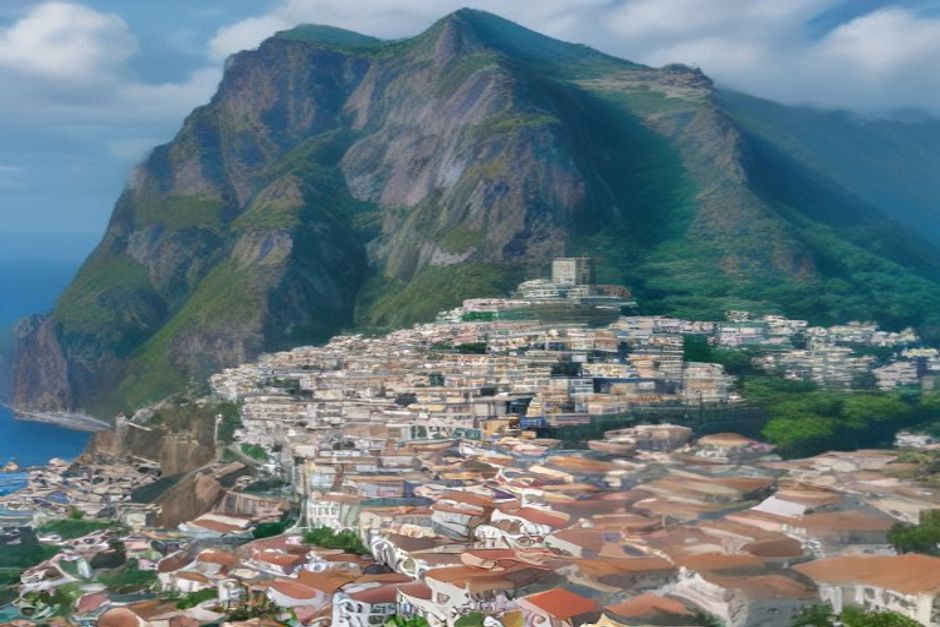
The three risks that actually cause incidents are mountain roads, exposed hiking trails, and unpredictable sea conditions — not crime. Madeira's terrain is dramatic: steep volcanic slopes, sheer sea cliffs and a road network that climbs and drops constantly between sea level and the central peaks. That geography is exactly what makes the island beautiful, and exactly what catches out visitors who treat a hairpin mountain road or a cliffside trail the way they would a flat coastal path back home. Respect the terrain and Madeira is remarkably benign; ignore it and it's the terrain, not the island, that will remind you.
Is it safe to drive in Madeira?
Yes for alert, confident drivers, but the roads are the island's biggest everyday hazard. The VR1 expressway that links Funchal to the airport and the west coast is modern and well engineered, but the secondary ER roads up into the mountains and along the north coast are narrow, steep, and full of hairpin bends, tunnels and blind corners with sheer drops on one side. Portugal drives on the right, fuel and rental cars are widely available, and a smaller car is genuinely easier to handle on these roads than a large SUV. Avoid unfamiliar mountain routes after dark or in fog, watch for cyclists and scooters on blind bends, and don't rush — journey times on the map are almost always longer in practice than the distance suggests.
Are Madeira's hiking trails and levada walks dangerous?
Some sections genuinely are, and they deserve to be taken seriously rather than treated as gentle countryside walks. A handful of routes — including exposed stretches of the PR1 up to Pico do Arieiro and some of the older levada paths — run along unfenced cliff edges, through unlit tunnels, or across ground that turns slippery and dangerous after rain. The safest approach is to stick to the official, marked PR trails, check the SIMplifica booking system before you go (it also flags trail closures after landslides or storm damage), carry a headlamp for tunnel sections, wear proper grip shoes rather than sandals, and turn back if a trail feels wetter or narrower than you expected. Hiking alone on the more exposed routes is best avoided; the easier, family-friendly walks like Ribeiro Frio to Balcões carry none of these risks.
Is the sea and swimming safe in Madeira?
It depends entirely on the spot and the day. Madeira has almost no natural sand beaches — most swimming happens in rocky coves and volcanic natural pools, where swell, currents and sudden waves can be genuinely dangerous at unsupervised sites, especially in winter and after Atlantic storms. Lifeguard-patrolled beaches such as Praia Formosa and Calheta are the safest choice for a casual swim, with flags indicating conditions on the day. Open coves along the south coast are calmer and clearer in summer, but they're best visited with someone who reads the water for a living rather than on your own judgement from the shore — which is exactly why a private boat trip with Chifbay only stops to swim once the skipper has checked that the cove is sheltered and the conditions are right, rather than on a fixed schedule regardless of the sea.
Does Madeira have earthquake or volcano risk?
No meaningful volcanic risk, and only rare, minor earthquakes. Madeira is a dormant volcanic island with no active eruption history in recorded times, and it sits in a relatively stable part of the mid-Atlantic away from major fault lines, so seismic activity is infrequent and low-magnitude when it does occur. The weather-related hazard that's actually worth watching is heavy rain: intense storm systems have caused serious flash floods and landslides on the island before, most notably in February 2010, so it's worth checking IPMA (Portugal's national weather service) alerts during your stay and avoiding steep, unpaved routes during or right after heavy rainfall.
What about petty crime and tourist scams?
Reported crime against tourists is low, but it isn't zero, so ordinary vigilance still applies. Opportunistic pickpocketing can happen in crowded spots like the Mercado dos Lavradores or busy Funchal streets during festivals, and rental cars left at remote trailhead car parks are occasionally targeted for visible valuables — never leave bags, cameras or documents on view inside a parked car. Outright scams are uncommon; the more likely annoyance is an overpriced menu at a restaurant angled squarely at passing tourists rather than anything genuinely dishonest.
Practical safety tips for visiting Madeira
A short checklist covers most of what matters: check IPMA weather alerts before hikes or boat trips, book popular trails through SIMplifica in advance, wear proper footwear on any levada walk, never swim at an unsupervised cove without checking local conditions first, lock your car and keep valuables out of sight at trailheads, buy travel insurance that actually covers hiking and watersports, and save 112 (the EU-wide emergency number) in your phone before you land. None of this is unique to Madeira — it's the same discipline any mountainous, coastal destination rewards — but it's the difference between a trip that goes exactly as planned and one that doesn't.
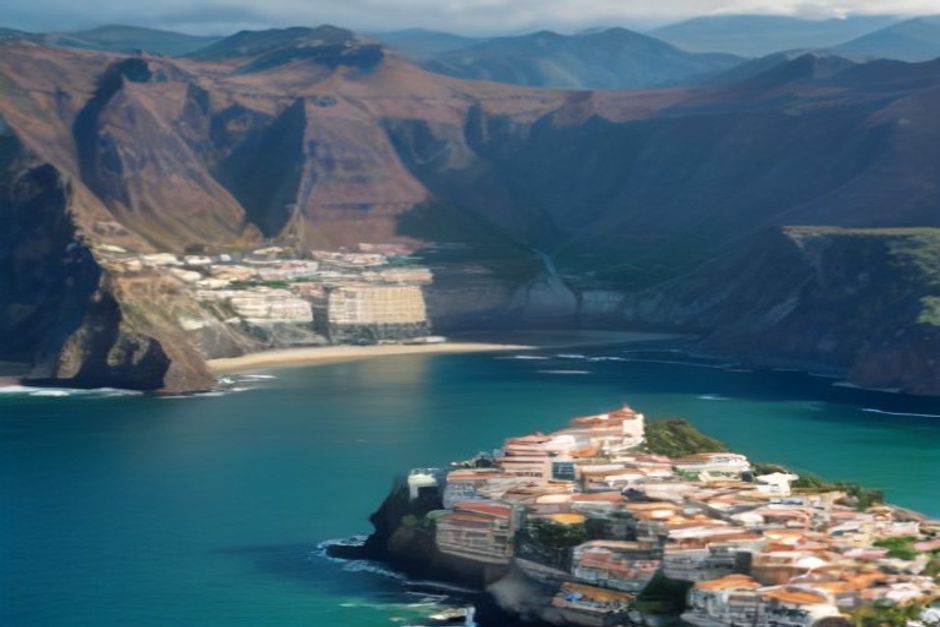
The danger in Madeira was never the people. It's underestimating a mountain road, a wet trail, or the Atlantic swell.
Respect the terrain and the sea, and Madeira gives back one of the safest, most rewarding island trips in Europe — cliffs, forest and coastline that are genuinely worth being careful for.