Fajã dos Padres is a strip of farmed land wedged between a 300-metre cliff and the Atlantic on Madeira's south coast, with no road access at all — you get there by cable car or by boat. It's one of the few places on the island where you can actually swim off the rocks, and the two ways in give you almost opposite experiences of the same tiny cove.
What is Fajã dos Padres?
Fajã dos Padres is a fajã — a shelf of flat, fertile land formed by an old landslide or lava flow — sitting at sea level directly beneath the cliffs near Câmara de Lobos, about 15 minutes west of Funchal by road to the clifftop, or a short run by boat. The name means "the priests' fajã": Jesuit priests farmed the land from the 1700s, planting the Malvasia grapes still used in Madeira wine today. It's privately owned and run as a working organic farm, certified since 2008, growing bananas, mangoes, avocados and vines on terraces that step down toward the water.
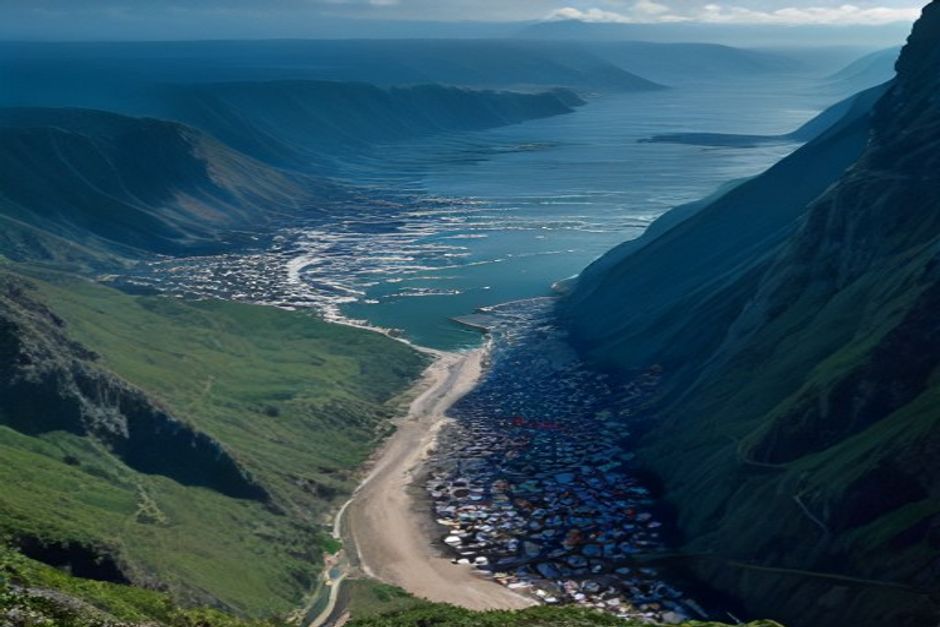
How do you get down to Fajã dos Padres?
By cable car, or by boat — there is no road. A cliffside cable car has run the 300-metre drop since 2003, dropping you at the top of the terraces for a short walk down through the banana plantation to the water. For over two centuries before that, the only way in or out was by sea, which is still how most private boat trips reach it today. Arriving by water skips the cable car entirely and drops you straight in front of the cove, which is the difference that matters if swimming is the actual goal rather than the farm tour.
Can you swim and jump in at Fajã dos Padres?
Yes — it's one of the better swim spots on Madeira's south coast precisely because the cliffs shelter it from the wind that churns up the water elsewhere. On calm days the cove sits flat and clear, good for jumping straight off a boat, snorkelling along the rocks, or getting a paddleboard out. There's also a small saltwater pool on the fajã itself for days the Atlantic swell makes the open cove choppier. It's this combination — sheltered water plus easy access from the sea — that makes it a standard stop on private boat itineraries out of Funchal.
Is there sand at Fajã dos Padres?
No. Like almost all of Madeira's coastline, the beach here is dark volcanic pebble and rock rather than sand — there's no natural sand beach anywhere near Funchal. It's comfortable enough to walk on barefoot with care, but water shoes make getting in and out over the rocks noticeably easier, especially if you're jumping in from a boat rather than wading from the shore.
Is there a restaurant at Fajã dos Padres?
Yes, right on the water at the base of the cable car, serving grilled fish and the farm's own produce, and it's popular enough in high season that a booking ahead is worth it if you're arriving by cable car specifically to eat there. A handful of cottages on the property can also be rented for longer stays. None of that matters much if you're stopping by boat rather than staying — the appeal from the water is the swim and the setting, not the sit-down meal.

When is the best time to visit Fajã dos Padres?
Late spring through early autumn, when the Atlantic is calm enough to swim comfortably and the cove isn't taking direct swell. Mornings tend to be stillest, before any afternoon wind picks up along the south coast — the same window that makes early starts worth it for a boat trip generally. Outside summer the water is noticeably colder and swimming stops being the point of a visit at all.
Is Fajã dos Padres included on a boat trip from Funchal?
Yes — it's one of the two swim stops on Chifbay's private Day Trip from Marina do Funchal. After Câmara de Lobos and the drone shot at Cabo Girão, the boat anchors at Fajã dos Padres to swim, jump in and paddleboard, before a second swim at Ribeira Brava and, on the 3-hour option, a run on to Ponta do Sol. Reaching it this way means you skip the cable car queue entirely and arrive right where the swimming actually happens.
Two centuries of priests, bananas and one cable car — but the water doesn't care how you got there.
Whichever way you arrive, Fajã dos Padres is one of the few spots on this coast where getting in the water is the whole point — cliff, farm and all.