Every operator on this coast will tell you Madeira is good for cetaceans, and the number gets thrown around so often it stops meaning much: over 28 species recorded in these waters. What actually matters if you're planning a trip is narrower — which of those you're likely to see, when, and from what kind of boat. Here's the honest version.
Can you see dolphins and whales in Madeira?
Yes — Madeira's waters are genuinely one of the richer stretches of the Atlantic for cetaceans, not a marketing exaggeration. The island sits close to a steep drop-off where the seabed falls away into deep water only a short distance from shore, which puts feeding grounds for whales unusually close to land compared with most European coastlines. Catamaran and boat operators working these waters report sighting rates in the 70–90% range across a full season, which is high, but it also means a no-show on any single trip is entirely normal.
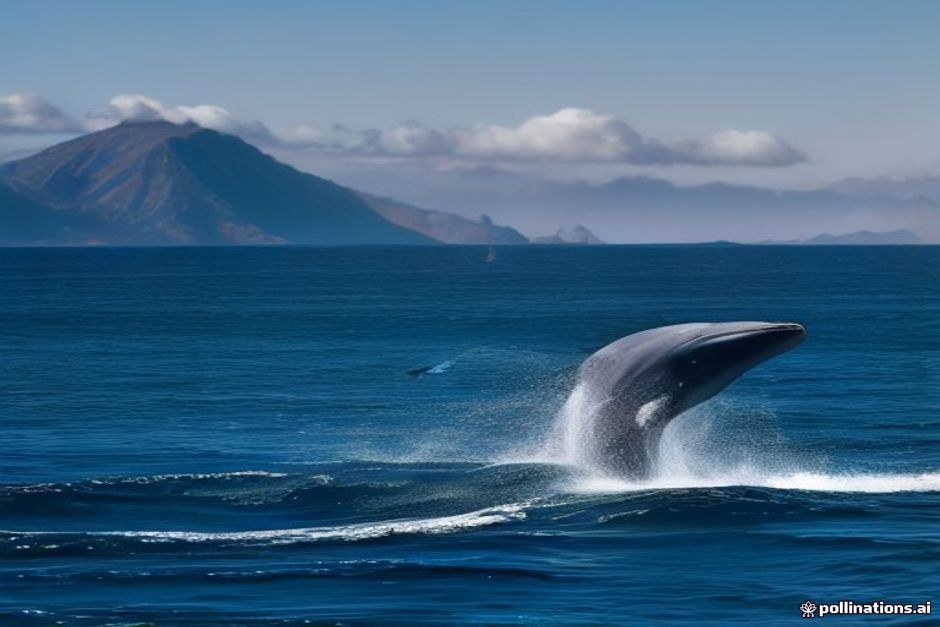
What species live in Madeira's waters?
Bottlenose dolphins and short-finned pilot whales are the two resident species, present off the island year-round rather than passing through. Sperm whales and striped dolphins are also seen regularly throughout the year, just less predictably. Beyond that, the list is seasonal: common dolphins turn up mostly in winter and spring, Atlantic spotted dolphins and Bryde's whales from spring into autumn, and the big migratory whales — fin whales and humpback whales — pass through mainly in spring, using Madeira as a waypoint on routes between feeding and breeding grounds further north and south.
When is the best time to see whales and dolphins in Madeira?
April to September gives the best overall combination of calm sea conditions and species variety, with June to August often singled out as peak season — though it's also when the water is busiest with boats. If your priority is specifically the larger migratory whales rather than dolphins, narrow that window further to spring: March through June is when fin whales and humpback whales are most likely to be moving through on migration. Outside that window you're relying mainly on the residents.
Which are resident, and which just pass through?
Short-finned pilot whales and bottlenose dolphins are the two you can realistically expect in any month, because they hold territory around the island rather than migrating away from it. Sperm whales dive deep offshore and are seen often enough to feel close to resident, without being guaranteed. Everything else on the list — the spotted and striped dolphins, the seasonal common dolphins, and every large migratory whale — is a matter of timing your trip to the right stretch of the calendar rather than showing up whenever suits you.
Where off the coast do they actually turn up?
Bottlenose dolphins tend to stay closest to shore, often within sight of the south coast around Funchal and Câmara de Lobos, which is exactly the stretch a private boat covers on a normal afternoon out. Pilot whales, sperm whales and the larger migratory species keep further out, over the deep water beyond the shelf, which is why dedicated whale-watching operators typically run longer, more open-water routes than a coastal day trip does.
Is a sighting guaranteed?
No, and any operator who tells you otherwise is overselling it. Even at a 70–90% seasonal sighting rate, dolphins and whales are wild animals moving through open ocean on their own schedule, not a fixed stop on a route. What a good skipper can do is read the water, follow reports from other boats on the radio, and give a sighting the best possible chance — but not force one.
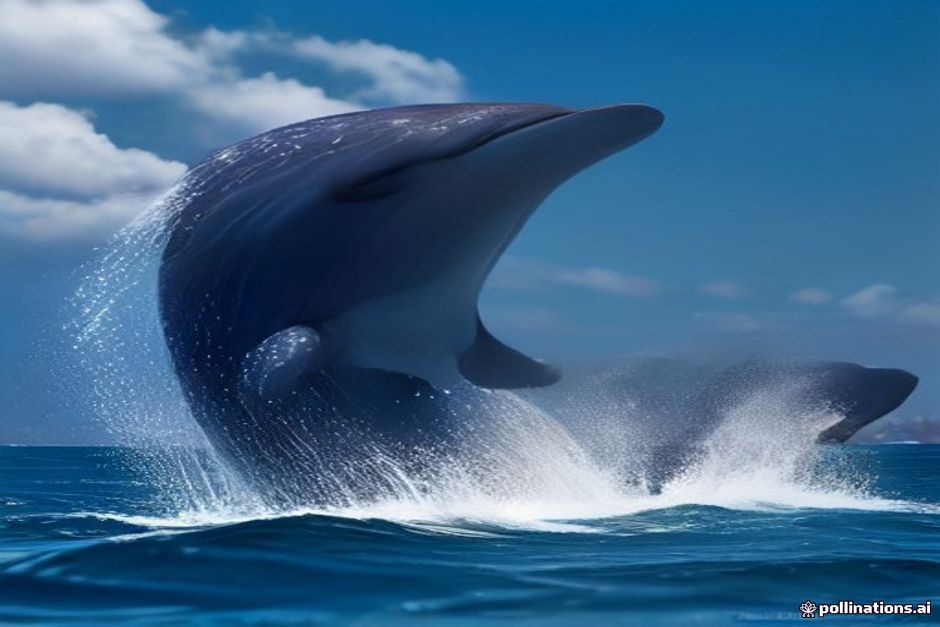
Is dolphin and whale watching in Madeira regulated?
Yes. Boats operating around cetaceans in Madeira's waters work under regional rules covering how close a boat may approach, how long it may stay near an animal, and how many boats can be positioned near a pod at the same time. The point of the rules is to keep the animals' behaviour undisturbed — no chasing, no boxing a pod in, no engines gunned for a closer look — which in practice also makes for a calmer, better encounter if one happens.
Can you see them on a private boat trip with Chifbay?
Possibly, though it isn't the point of either trip and can't be promised. Chifbay runs a private Day Trip and Sunset Trip along the south coast from Câmara de Lobos toward Cabo Girão and Fajã dos Padres, and dolphins in particular do sometimes ride the bow wake or surface nearby along that route — it's the resident bottlenose population's usual territory. Whales are rarer on a coastal route like this one, since they tend to sit further offshore than either trip goes. If a sighting happens, it happens on the way to somewhere else, not as the reason for the trip.
The residents don't need a season. Everything else on the list does.
If dolphins and whales are the whole reason for your trip, book with an operator running dedicated whale-watching routes further offshore, in the April–September window for the best odds. If you want the coastline, the swimming and the cliffs with a genuine chance of dolphins along the way rather than a guarantee, that's the boat we run.